
🌍 Water Scarcity in Ukraine: Drought 2025, Agribusiness and Sustainable Solutions
Ukraine faces severe water scarcity with 25-50% river runoff decline by 2100. Learn how drought 2025 impacts agribusiness and discover sustainable water-saving solutions.
🌍 Water Scarcity in Ukraine: Drought 2025, Agribusiness and Sustainable Solutions
PrevPrevious🏭 A Production You Can Trust | PE “Slavutych-Contact”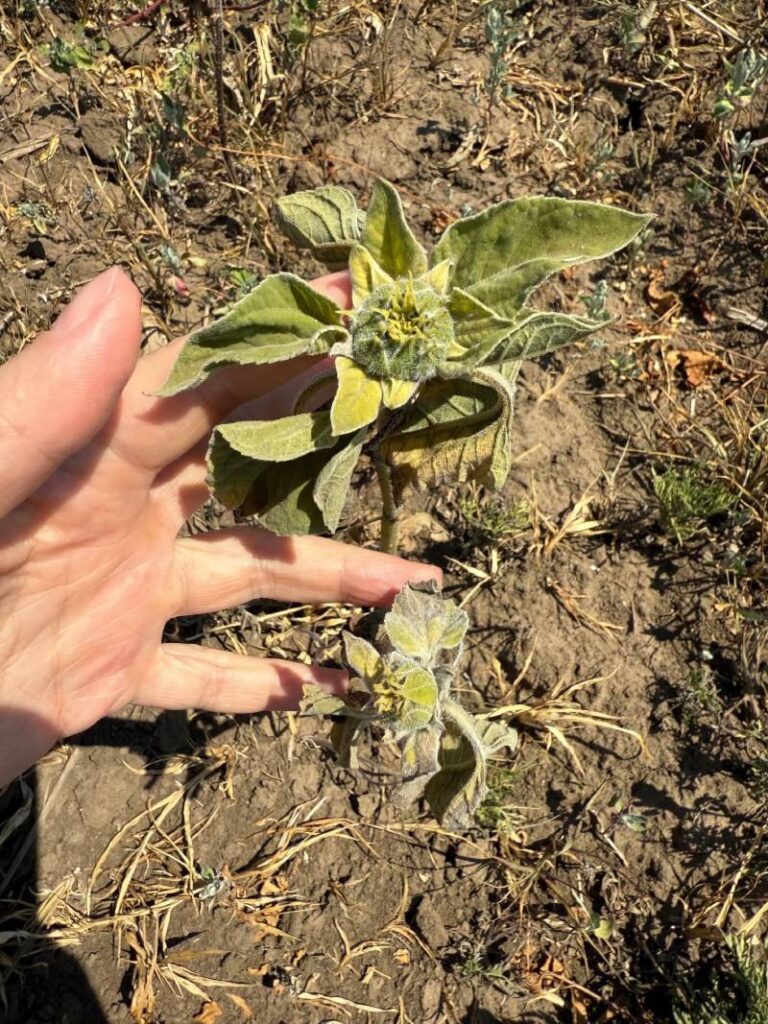
Introduction
Water scarcity in Ukraine is no longer a distant concern — it’s an unfolding reality. According to the World Wide Fund for Nature (WWF), river runoff in Ukraine may decrease by 25–50% during the 21st century across most regions. This dramatic decline in water availability is driven by climate change, rising temperatures, erratic precipitation, and frequent droughts.
Experts from WWF-Ukraine emphasize that the intensity of droughts and other extreme weather events is increasing. For Ukraine, this means new risks to agriculture, the economy, and national food security. This article explores how the 2025 drought is affecting agricultural production, why water-saving practices are essential for sustainable agribusiness, and how responsible companies — such as PE Slavutych-Contact — are responding to the challenge.
Drought 2025: A Wake-Up Call for Ukraine
Ukrainian farmers are already feeling the consequences of climate change. Over the past few decades, the average annual temperature has increased, and precipitation patterns have become less predictable. As a result, moisture deficits are becoming more common across much of the country.
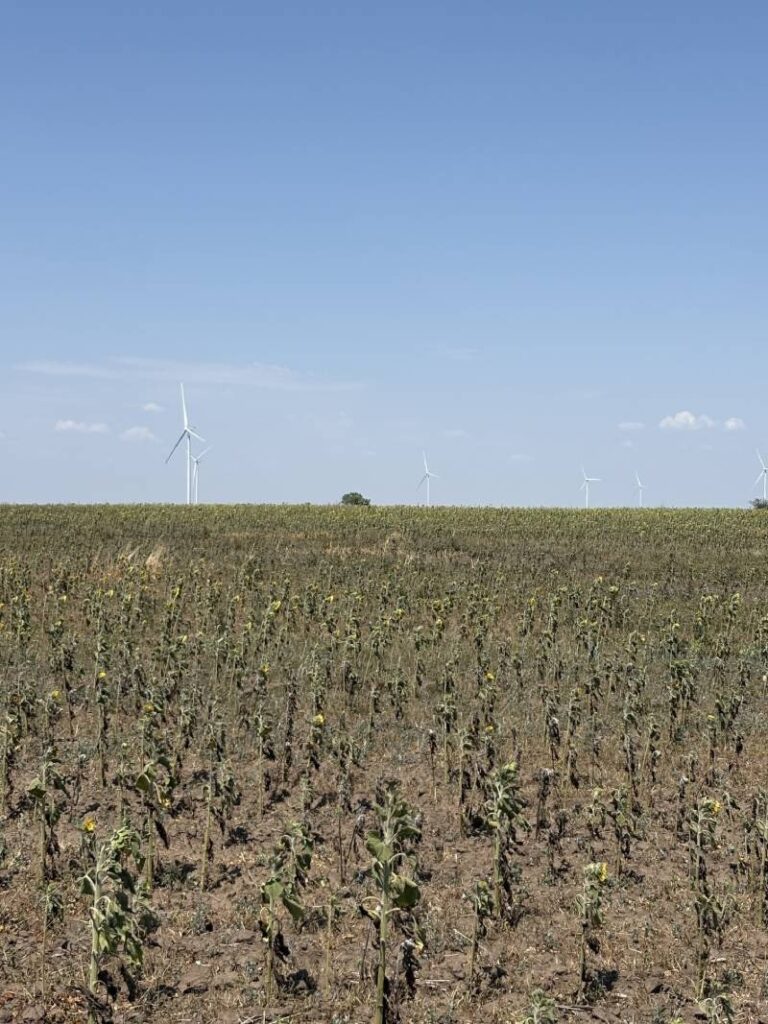
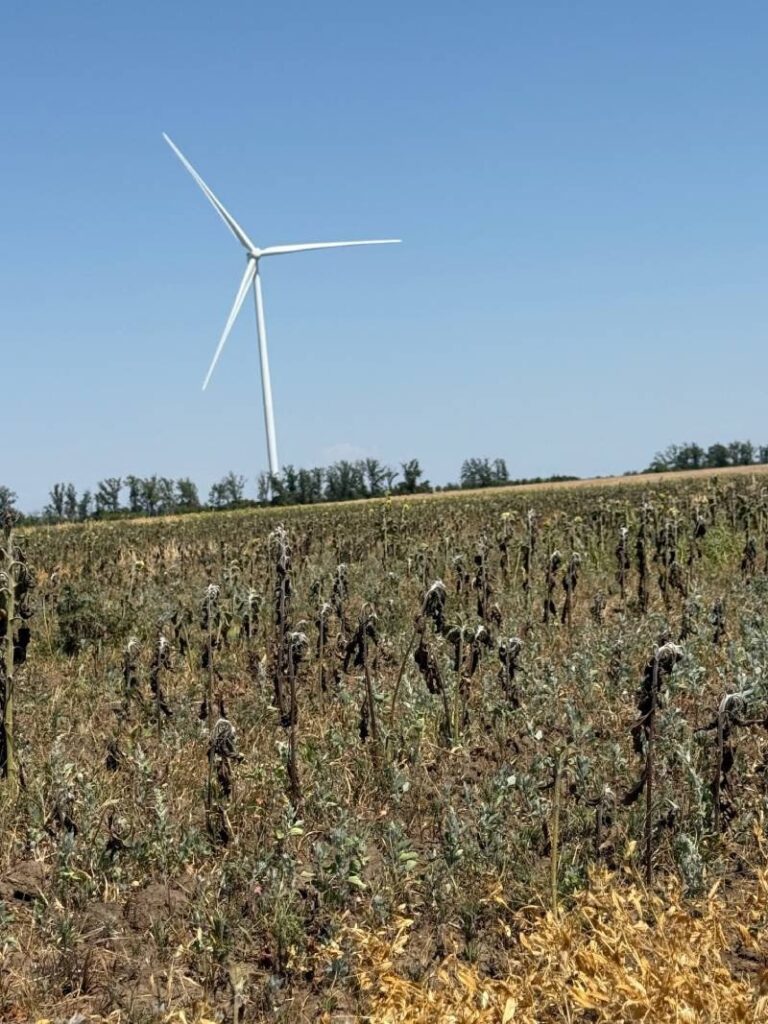
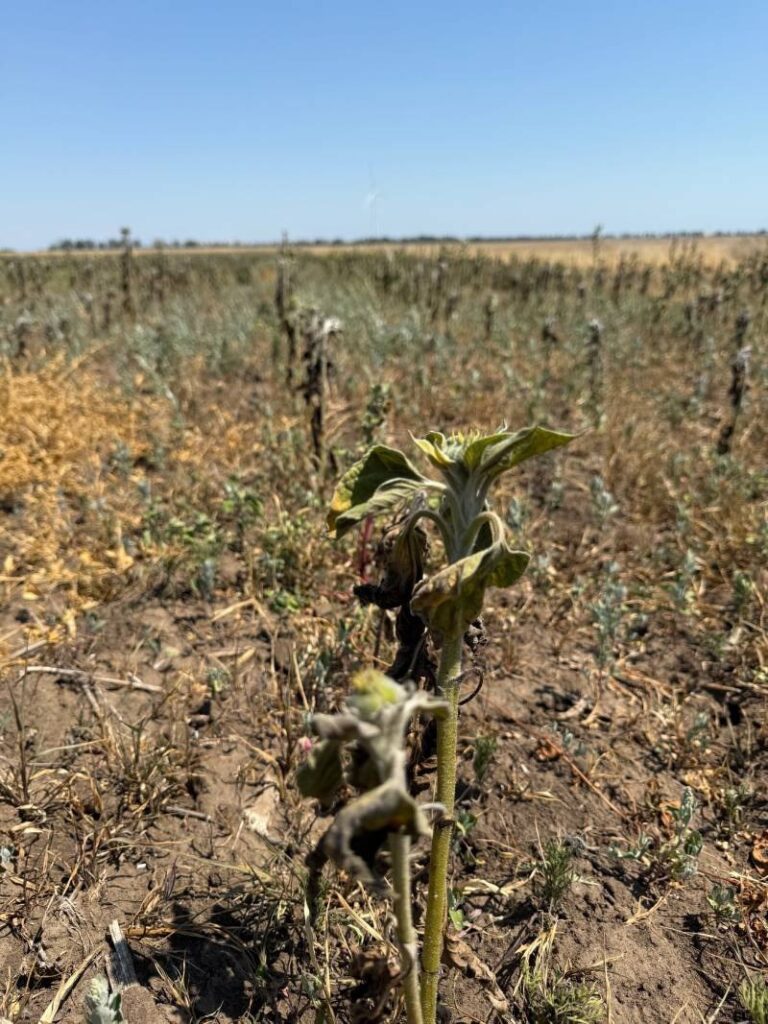
The extremely dry summer of 2025 exemplifies this new reality. During the autumn of 2024, at the start of the winter crop sowing campaign, temperatures were 7°C above normal, causing widespread soil dehydration. Some fields were too dry to sow rapeseed and other crops.
These conditions, combined with war-related disruptions and unstable markets, created a perfect storm. Regions that were previously unaffected by drought — such as central Ukraine — are now experiencing prolonged dry spells, consistent with WWF projections.
Ukraine’s overall water availability is already low. Around 76% of surface water in Ukraine originates outside its borders, making the country highly dependent on transboundary water flows. The local water supply per capita is about 1,000 m³/year — drastically lower than in water-rich countries. Under such conditions, even short-term droughts can threaten crops, hydro-energy, and municipal water systems.
Agriculture and Water: A Delicate Balance
Agriculture depends directly on water, and water shortages immediately affect yields. According to the Food and Agriculture Organization (FAO), farming accounts for approximately 72% of global freshwater use. In Ukraine, this number is similarly high, given the prevalence of water-intensive crops like wheat, corn, sunflower, and legumes.
During dry winters and spring — like in 2025 — fields lack sufficient moisture. Farmers report that winter crops have dried out in the soil before reaching maturity.
Ukraine’s agricultural sector generates over 40% of national export revenue, meaning that reduced yields pose a macroeconomic threat. Moreover, drought-driven crop losses in Ukraine can impact global food stability, as the country remains a top exporter of wheat, corn, and oilseeds.
Sustainable Agribusiness and Water Efficiency
The solution lies in sustainable agribusiness — production models that prioritize both efficiency and resource conservation. Water-saving technologies are gaining traction, including drip irrigation, no-till farming, and smart precision agriculture tools.
Global and local consumer interest in eco-friendly food is also growing. SEO data from SEOWORK shows increasing search demand in Ukraine for terms like “sustainable farming,” “water-efficient agriculture,” and “ecological food production.”
These trends are reinforced by funding programs that support water-efficient farming. From EU grants to national support for irrigation systems, the direction is clear: efficiency and environmental responsibility go hand in hand.
Agro-Processing and the Role of Responsible Business
It’s not just farms that must adapt. Companies in agro-processing also play a critical role. By investing in modern equipment and working with sustainable suppliers, processors can drive change across the supply chain.
Companies like PE Slavutych-Contact exemplify this. Specializing in seed and nut processing, the company uses advanced optical sorting, X-ray scanners, and precision grading systems. This technology not only ensures product purity and safety, but also reduces waste and increases resource efficiency.
Even if the processing line doesn’t consume much water directly, Slavutych-Contact’s approach supports water savings across the system. By sourcing clean, well-prepared raw materials, and ensuring minimal losses during processing, the company helps reduce the water footprint of its products — especially given that growing and washing seeds or nuts requires significant water input upstream.
Additionally, Slavutych-Contact works directly with local farmers. This relationship allows the company to promote best practices, reward responsible growers, and raise awareness about water conservation through example.
Conclusion
Ukraine faces a critical water challenge. The 2025 drought — along with long-term forecasts from WWF — shows that water scarcity is accelerating. Agriculture, as both a contributor and a victim of water consumption, must change.
Sustainable agribusiness is no longer optional — it’s essential. Whether through water-saving irrigation, eco-conscious processing, or smart land use, every step counts. Companies like PE Slavutych-Contact prove that even small and medium-sized enterprises can lead the way in ecological responsibility.
Water is a shared resource — and a shared responsibility. By integrating sustainability into every stage of the value chain, Ukrainian agribusiness can not only survive, but thrive in a climate-challenged world.
Sources: WWF-Ukraine, FAO, Latifundist, EBA Agro Report
PrevPrevious🏭 A Production You Can Trust | PE “Slavutych-Contact”